

Flagstone Vs. Pavers: What Are The Major Differences?
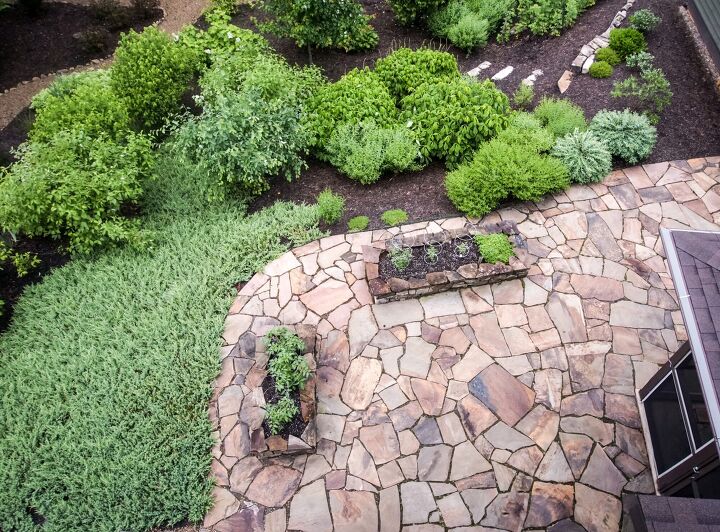
Choosing the right paver or natural stone for your hardscaping project depends on a number of factors. Whether you’re a homeowner or a contractor, you must consider personal taste and available options to create a space that is both visually pleasing and functional. Flagstone and pavers have long been among the most popular choices when it comes to walkways, driveways, patios, and the like.
Both products offer distinct pros and cons, which should be analyzed based on your unique needs and preferences. On the one hand, flagstone offers a very earthy, organic look that basically lasts forever and requires minimal maintenance but can be pretty expensive to purchase and install. On the other hand, pavers give you more design options and are usually less labor-intensive and less expensive to install, but require more frequent maintenance.
If you’re stuck between opting for flagstone or pavers for your upcoming project, we’re here to help! Understanding the characteristics of each will go a long way towards ensuring that you make the most informed decision possible.
Do You Need Pavers for Driveway and Floors Installed?
Get free, zero-commitment quotes from pro contractors near you.

Flagstone
Natural stone, commonly called flagstone, includes limestone, slate, bluestone, sandstone, and travertine. The flagstone that is used to construct patios, walkways, and other home hardscaping applications is quarried in various regions around the country. Choosing flagstone offers versatility, as each type of stone has its own unique colors, qualities, and texture.
Oftentimes, flagstone is the go-to product for those looking to achieve a more natural, earthy appearance. When it arrives from the quarry, natural stone can be cut into regular and irregular shapes in varying sizes. Though, the more irregular that the stones are, the further apart they will have to be installed since they won’t naturally fit together. This is an excellent way to achieve an organic look out of your hardscape.
Since flagstone must be quarried and transported from the quarry site, it is often expensive to buy and have installed. Natural stone is also more difficult to work with since it varies in thickness. As such, most elect to hire professional installers, which involves high labor costs. Though, once installed, flagstone requires very little maintenance, is incredibly durable, and will last for centuries without deteriorating.
Related Guide: How Much Do Flagstones Cost?
Concrete Pavers
Concrete pavers are a manufactured product, available in a wide variety of patterns and sizes. For this reason, many choose pavers to be able to create a patio that is fully customized to their aesthetic desires. Pavers are sourced from a supplier and arrive pre-cut, ready for installation. They are the same size and thickness from one paver to the next, which makes them less labor-intensive and more affordable to install overall.
Pavers are engineered in numerous colors and looks, some of which are designed to imitate the appearance of natural stone. When compared to flagstone, pavers offer more durability. Although they can last anywhere from 50 to 100 years, they require more occasional maintenance. Pavers may shift slightly or crack over time, but it’s very easy to remove them and reinstall as needed.
Flagstone vs. Pavers
Both flagstone and pavers come with their own individual advantages, and the right choice for your hardscape will depend on your specific needs. That said, let’s compare these products in terms of quality, installation process, maintenance requirements, cost, and design options.
Quality
Both flagstone and pavers are incredibly durable products. Under normal conditions and assuming the stones were installed properly, flagstone can last pretty much forever. However, in order for flagstone to last, it needs to be installed at a depth that is suitable to the installation location.
Flagstone is typically thinner than pavers, and although it’s incredibly durable and resistant, its’ thickness may not be sufficient enough in some situations. When installed on driveways, flagstone is always more susceptible to breaking than pavers.
However, if the material is high-quality and it’s installed properly, flagstone can deliver a great deal of personalization. While it may not be ideal for driveway installation, flagstones can be excellent for use on walkways and patios.
Installation Process
Installation is relatively similar for both flagstone and pavers, with only two distinct differences – regarding the base layer and the labor requirements.
- Base layer: The base layer for flagstone is commonly poured concrete and mortar, adhering the stone surface to the slab. With pavers, no mortar is required. Instead, they can be set in a layer of sand atop a bed of compressed gravel. The pavers are positioned on top of the sand and then secured using a manufactured sand product called polymeric sand. Polymeric sand fills the joints, holding the pavers in place and preventing weed growth.
- Labor: Since flagstone isn’t consistently even, laying out the stones is always a custom job that requires the skill level of a professional. You’re going to need a stonemason to shape and fit the stones on site. Whereas, pavers are designed to meet exact specifications, so shaping and cutting needs are minimal.
Maintenance Requirements
When properly installed, flagstone requires very minor routine maintenance. When it comes to pavers, though, these products have a tendency to shift and separate over time, resulting in an uneven surface.
Though, when this happens, it is very easy to remove the pavers, level the underlying area and re-install. Should a paver crack, this is also a quick fix that involves simply removing the broken paver and replacing it with a new one. Additionally, weeds and grass can grow in the joints between pavers, causing additional maintenance to ensure a consistently neat appearance.
Flagstones typically come in very large pieces, and, oftentimes, different shapes. If a stone breaks, they are much heavier and require more effort to replace than pavers. Aside from this, the only maintenance that flagstone patios require is the mortar between the stones. The mortar will start to break down after about a decade and must be replaced.
Cost
The cost of flagstone is expensive – especially if you’re purchasing quality materials (which you should be). Generally speaking, flagstone can run anywhere from $15 to $20 per square foot for materials and installation. Whereas, pavers are typically between $3 and $6 a square foot.
Pavers are not only cheaper per square foot, but they also come pre-cut. Since flagstone comes directly from the quarry and must be shaped and cut by experts, they require more labor time to install. Therefore, if budget is a concern, concrete pavers are your best option.
Design Options
In terms of design, both pavers and flagstone offer a wide array of options to choose from. Though, pavers offer the most options, as they come in pretty much any color, pattern, shape, and size imaginable. With that said, flagstone includes many different types of natural stone like slate, bluestone, limestone, and more.
Each of these stones have stunning colors and give off a very organic look and feel that can make it seem like hardscape was always a part of your property. Whether you choose to go with pavers or flagstone, you’ll have no trouble finding something that complements the exterior of your property.
Do You Need Pavers for Driveway and Floors Installed?
Get free, zero-commitment quotes from pro contractors near you.
Related Questions
Does flagstone need to be sealed?
Flagstone is susceptible to water stains, especially in areas with a water supply that is alkaline or contains other minerals. Not to mention, stains are virtually unavoidable in areas used for outdoor cooking or dining. For this reason, it’s advised that flagstone paving be sealed upon completion. This sealant will fill the pores of the stone to repel spills.
How do you clean flagstone?
Flagstone paving should be swept on a regular basis to ensure that dirt or debris doesn’t stay on the surface for too long and cause stains. If stains are present, they can be cleaned using bleach or muriatic acid that is diluted with water.You can also use a cleaner that is specifically engineered for use on flagstone. Regardless, if any chemicals are used, they must be rinsed off of the flagstone immediately afterwards.

Jessica considers herself a home improvement and design enthusiast. She grew up surrounded by constant home improvement projects and owes most of what she knows to helping her dad renovate her childhood home. Being a Los Angeles resident, Jessica spends a lot of her time looking for her next DIY project and sharing her love for home design.
More by Jessica Stone