

My House Makes Me Anxious: What To Do


Feeling anxious at home is uncomfortable, as your home should be your sanctuary. However, it’s hard to feel relaxed at home when it’s full of stress triggers. So, what should I do if my house makes me anxious?
Declutter your home and uncover your windows if your house makes you feel anxious. Identify stress triggers at home, such as items associated with painful memories. Set up a hobby station and diffuse essential oils throughout your home to de-stress after a long, busy day. Go phone-free for a few hours before bed if you feel anxious.
If you have space, it’s worth dedicating a room to your hobbies. Follow along as we explore what to do if your house makes you feel anxious.
a
How To Make Your Home Stress-Free
1. Brighten It Up
A dark home without much natural light can wreak havoc on your mental health. Not only can it affect your circadian rhythm, but it can also make you feel cramped. This is even worse if you work from home or don’t leave the house too often.
Natural light affects everything from stress hormones to melatonin production in our bodies. A lack of natural light can affect your sleep schedule and make you feel anxious at home. This is an easy problem to fix if you spend 20 minutes thinking about brightening your home.
For example, you can declutter the spaces in front of your windows and pull your curtains back. Set up mirrors to maximize natural light and reflect it in dark spaces. You can also install a sun tunnel or skylight to add depth to your home and boost your mood.
2. Introduce Nature
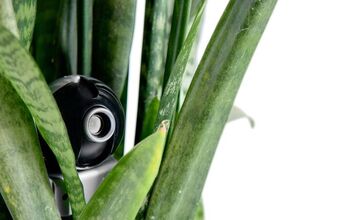
It’s no coincidence that the popularity of houseplants increased during the pandemic. Many people discovered that spending lots of time at home was made easier with houseplants. Recent studies show that caring for houseplants can reduce mental and physiological stress.
You don’t necessarily need to go all out and spend hundreds of dollars on plants and lights. Instead, simply research varieties of house plants that require little maintenance. Calatheas, purple passion plants, and begonias are all colorful and easy to nurture indoors.
For nearly 30 years, studies have suggested that indoor plants boost productivity. Start slow and place plants in areas where you typically spend a lot of time during the day. Make sure to maintain a 30% to 50% indoor humidity level to support your plants.
3. Identify Triggers
Have you noticed any specific triggers that make you feel anxious at home? If so, it’s worth getting rid of them to see if it makes you feel better. For example, you may have art, decorations, or even old clothes that you associate with a former romantic partner.
In that case, you can either get rid of them or put them away to avoid bringing up painful thoughts. Go through each room and identify your belongings that are associated with sad feelings that make you anxious. Either put these items away, discard them, donate them, or give them to a friend who could use them.
4. Clean Up
Clutter can trigger anxiety, and it’s not worth the trouble. This is a double-edged sword, as some people feel anxious about cleaning. However, you must consider the worthwhile benefits of cleaning your home compared to the minimal time investment of decluttering.
You don’t need to force yourself to declutter your whole home at once, if that is less stressful for you. Instead, set small, achievable goals to declutter one part of your home one day, and focus on another next time. Once your home is clean, it’s a great idea to create a simple cleaning checklist.
That way, you can set daily or weekly goals to declutter certain rooms. This is the best way to prevent your home from becoming a cluttered mess that will take days to clean. It takes as little as a few minutes per day, and it’s well worth the benefits.
5. Reduce Stimulation
These days, it’s all too easy to get distracted and overstimulated by the technology in our homes. Whether it be smart watches, phones, tablets, or even smart thermostats, many people get too many notifications. Even simply enabling push notifications for all your apps can be quite overwhelming and make you feel anxious.
You can minimize this problem if you slowly reduce stimulation at home so you can focus on one thing at a time. Go through the settings menu on your phone, tablet, and computer. Check which applications you have notifications enabled for and disable them for non-essential apps.
Once you’ve done this, you can slowly turn off some of your devices. For example, you may feel less stressed if you don’t have to balance sounds from a TV, computer, and phone simultaneously.
6. De-Stress With Scents
It may seem far-fetched, but you can even use many scents to feel less anxious at home. Today, essential oils are readily available, affordable, and easy to use. Whether you use a diffuser or simply mix them with water and spray them, essential oils can alter your mood.
Keep in mind that it may take some trial and error to find the best scents that make you feel comfortable. However, many people report that lavender, bergamot, chamomile, and frankincense oils help reduce stress.
7. Create A “Happy Room”
This option may not be possible if you have roommates or live in a studio apartment, but it is viable for homeowners. There is nothing like a “happy room” or “cave” full of things that make you happy to relieve stress. You can even designate a portion of a room to things that make you happy if you don’t have much space.
Fill the space with things that make you happy, such as instruments, posters, and collectibles. Keep the space tidy, or else your plan will backfire because of clutter. Alter the room’s layout as needed to reflect the things that make you the happiest.
8. Choose “Phone-Free” Times
Smartphones make life easier in many ways, but they are also sources of stress. Prolonged smartphone use can stimulate your brain too much and even keep you up at night. That’s why it’s recommended to stop using your phone at least an hour before you go to sleep.
However, some people set their phones aside for several hours at night to de-stress and enjoy their evening. This can help you enjoy your time at home and spend time with your friends, family, or partner. Granted, you can still keep your phone on hand for emergencies but avoid “doom scrolling”.
9. Start A Hobby
It’s hard to justify a hobby if you work long hours and balance life with friends and family. However, hobbies can enrich your life and make you feel less anxious at home. For example, an art station or instrument setup can provide a nice enclave in your house.
Dedicate as much or as little time as possible to your hobby each day or week. This will not only make you feel less anxious but you'll also look forward to getting home after work.
10. Address Maintenance Problems
Many people understandably get stressed about deferred maintenance at home. The longer you put repairs off, the worse and more expensive they become. This only serves to make you more stressed, so it’s worth addressing such problems now.
Start one with one and fix minor problems, such as a leaky faucet or clogged AC filter. Slowly work your way up to more expensive problems, such as fixing your floors and electrical problems.
Summing It Up
Increase natural light at home, declutter, and introduce plants to your house if you feel anxious at home. It also helps to limit how many devices you use at home, as excessive notifications can be stressful. Use essential oils like chamomile and lavender to make you feel more relaxed after a long, stressful day.
Related Guides:
Nick Durante is a professional writer with a primary focus on home improvement. When he is not writing about home improvement or taking on projects around the house, he likes to read and create art. He is always looking towards the newest trends in home improvement.
More by Nick Durante