
Why Is My House So Stuffy?


Nobody wants to sit in a house full of hot, humid, and stuffy air, but many people have to. That said, you don’t need to put up with a stuffy house if you get to the root of the problem. So, why is my house so stuffy?
Your house is likely stuffy due to poor insulation or dirty air ducts, both of which are fixable. Dirty air ducts restrict airflow, and they’re also prone to mold, which can affect indoor air quality. Your house can also feel stuffy if there are pipe leaks beneath your sinks and behind your walls.
Stuffy air is uncomfortable, and it can also contribute to mold and mildew throughout your house. Follow along as we explore why your house is so stuffy and highlight solutions.
Why Is My House So Humid?
Your house is likely stuffy and humid due to poor airflow, but it varies based on many factors. Everything from the time of year to the condition of your HVAC system can affect indoor humidity. If your house is stuffy, it could be due to several factors, such as:
1. Dirty Ductwork
If your house feels stuffy, it’s probably due to a lack of sufficient ventilation throughout the rooms. Your air conditioner itself may work, but that won’t matter if the ductwork is clogged. Dirty air ducts can slowly become clogged over time, and air won’t circulate throughout your house as usual.
Dust, pet hair, and other debris constantly enter air ducts, and that’s essentially unavoidable. However, it’s up to you to stay on top of air duct maintenance. Otherwise, your house will feel stuffy, smell musty, and generate some expensive heating and cooling bills.
That’s because your HVAC system must work harder and run more often when the air ducts are clogged. You can avoid this problem altogether by hiring someone to clean your air ducts every 3 to 5 years. That way, unobstructed air will consistently flow throughout your home.
2. Poor Insulation
Insulation can affect the airflow in your house just as much as your air ducts can. That’s especially true during the spring and summer, when hot, humid air can enter your home if you lack proper insulation. Proper insulation helps air move throughout your house without getting trapped in any given area.
If you don’t have insulation or your insulation is outdated, stuffy air may build up in certain rooms. In that case, it won’t matter how well your HVAC system runs, as air will still get trapped in parts of your home. This can lead to high energy bills during the summer when it’s hot, and throughout the winter when cold air seeps into your home.
Reinsulating a single room typically costs as little as $500, but the cost varies based on the room size and type of insulation used. That said, you can expect to spend between $1,500 and $4,000 to insulate your whole house. It’s worth the cost if your home is consistently stuffy and your energy bills are exorbitant.
3. Ductwork Leaks
Like anything else in your home, air ducts go through a lot of wear and tear over time. This can happen due to moisture, heat expansion, excessive debris, poor installation, and your house settling. Unfortunately, a stuffy home may indicate that you have leaks in the air ducts.
Fixing air duct leaks is easier when the leaks occur around the joints, which can become disconnected. However, leaks can form anywhere in your ductwork if they’re caused by erosion. You can expect to spend anywhere between $200 and $2,000 to fix air duct leaks, if not more.
The cost depends on location, severity, material, and labor, depending on who you hire. Simple patches rarely cost over $200, but patching and replacing entire sections can cost thousands. In extreme cases, you may need to replace your air ducts entirely, which costs up to $55 per linear foot.
4. Water Leaks
Finding water leaks at home can be tricky, as many of the pipes in your home are likely concealed. However, consistently stuffy air may indicate leaky pipes somewhere in your house. That’s especially true if you ruled out HVAC and insulation problems as the cause of the issue.
Keep in mind that you can’t necessarily find every water leak in your home without professional help. That’s because some of the leaks may be behind walls or even beneath the floors in your house. Check your walls, floors, and ceiling for discoloration and wet spots if you suspect a leak.
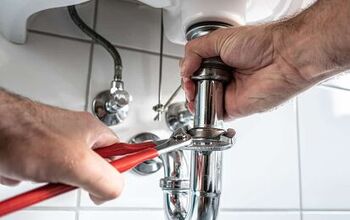
It’s also a good idea to check the cabinets beneath your sinks if you suspect a pipe leak. Otherwise, you may need to call a professional plumber to inspect your home’s plumbing. Water leaks often coincide with high water bills, so fixing them can cut costs.
5. Mold And Mildew
Many of the things that can make your house feel stuffy also contribute to mold. Upon fixing such problems, like water leaks, you may still notice a stuffy smell. Unfortunately, this can indicate that there’s mold and mildew somewhere in your home.
Mold and mildew typically grow in dark, warm, and moist areas with oxygen. That can include your ductwork, cabinets, closets, garage, and attic, among other places. Mold is rarely contained solely to one area, even if you only find it in one room.
That’s because mold spores can travel through the air due to air movement, even if you can’t see them. Call a mold remediation specialist and schedule an inspection if you suspect you have mold. Mold remediation typically costs between $500 and $1,500 in minor cases, depending on where the mold is located.
6. The Time Of Year
Do you live in a humid climate? Outdoor humidity can affect indoor humidity and explain why your house is so stuffy. That’s especially true if you live in Florida, Louisiana, Mississippi, southern Illinois, or Missouri.
Humid air can seep into a house through the gaps beneath your doors and the cracks in your walls. Some people open the windows to boost airflow and inadvertently make their homes feel stuffy. Natural ventilation is nice, but the humid air can make being inside your home feel uncomfortable.
Ideally, you should place door sweeps and weatherstripping at the base of your doors to prevent humid air from seeping in. It’s also important to seal the gaps, cracks, and holes in your walls with putty and caulk. In extreme cases, you may even need to replace your windows if they let stuffy air into your house.
Summing It Up
Your house is probably stuffy because your air ducts are clogged, or your air filter is dirty. This can also happen if humid air seeps in through the gaps and cracks in your doors and exterior walls. Otherwise, your house may feel stuffy because of poor insulation, mold, and mildew.
Related Guides:
Nick Durante is a professional writer with a primary focus on home improvement. When he is not writing about home improvement or taking on projects around the house, he likes to read and create art. He is always looking towards the newest trends in home improvement.
More by Nick Durante