

How Your Home Layout Impacts Resale More Than The Latest Trends

Planning to sell your home? Before you start replacing everything with the latest trends, step back and assess your home’s flow. The layout of your house is vital, and some would argue even more important than the square footage. The floor plan also trumps how things look, meaning it plays a larger role in resale.
Buyers crave homes that function well, have good flow, and offer usable space. Disjointed rooms, confusing placement, or too many walls can make buyers assume there isn’t enough space. Something feels off. Prioritizing improving your home’s layout over updating it to the latest trends will yield better resale results in the long run.
Your home’s layout affects how people move through the space, how rooms connect, and how easy daily life feels. For most buyers, these things matter more for resale than the latest design trends. Here’s a look at why layout matters so much—and what parts of it have the biggest impact.
Why Your Home’s Layout Beats The Trends
When people think about selling a home, they often focus on style. They worry about paint colors, kitchen cabinets, and countertops. The problem is, trends change fast, and what looks relevant today can look dated in just a few years.
Of course, making some updates can help sell your home. However, investing in layout improvements often offers better resale value than chasing fleeting trends.
Why? At the end of a long house-hunting day, the majority of buyers want a home that works well. A good layout makes even the most average home feel better, and sensible buyers know they can change the look over time. But when it comes to changing a home’s layout, well, it’s a lot harder to move walls, reposition rooms, and add bathrooms than it is to repaint or replace flooring. If your home’s layout is poor, it can turn buyers away, even if your finishes are top-of-the-line.
A Poor Layout Influences Homebuyers’ Impressions
When buyers enter your home, as they walk through, the layout is influencing their perceptions, whether they realize it or not. They might be commenting on how amazing the backsplash looks or how excited they are about the updated bathroom. However, something doesn’t feel right. They realize they don’t like how the guest bathroom is so close to the kitchen and how you need to walk through the laundry room to get outside. While these things might be precisely what one or two specific buyers want, you set yourself up for waiting around for that “perfect” buyer. Instead, you want your home to have mass appeal.
Buyers who feel as if the space is awkward, tight, or confusing have a tough time picturing themselves staying long-term. You might hear them say things like, “I don’t like how the kitchen is closed off,” or “The bedrooms are a little small.” These layout problems are not easy fixes, so they can hurt resale value more than dated tile or old light fixtures. You know what they say about putting lipstick on a pig, right?
Home Layout Factors That Influence Resale
How does your home’s layout stack up to others when it comes to resale? Essentially, instead of comparing your home to others, consider how your home enables life to happen day to day. Buyers want homes that make life easier, comfortable, and efficient. Here are some of the main qualities buyers look for when it comes to the floor plan of a house.
Open Versus Closed Floor Plan
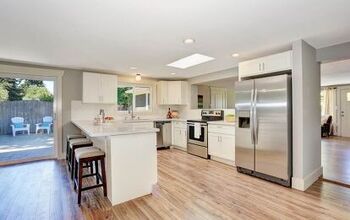
One of the most significant layout debates centers on open or closed floor plans. Open floor plans became popular because they make a home feel bigger and brighter. The kitchen, dining area, and living room flow together, creating an ideal setting for families to cook, eat, and relax in one shared space.
Closed floor plans have more walls and separate rooms. Some buyers prefer the privacy and quiet that come with closed layouts, but too many walls can make a home feel dark and chopped up. For resaleability, focus on achieving a balance between the two. Buyers typically enjoy a kitchen that opens to the main living area, clear sight lines, and good flow between rooms. On the contrary, they don’t want long hallways that waste space or boxed-in kitchens.
Kitchen Placement
Undoubtedly, buyers zone in on the kitchen first, and not just how it looks, but its location. Easy access to the dining area (for serving) and the backyard or garage (for unloading groceries) are often desireable perks. Many buyers also like a kitchen that faces the family area. This is especially good for families with young children or people who want to entertain and be a part of the fun while they cook. If the kitchen is cut off from the rest of the house, it can feel inconvenient, even if it’s beautiful. In this case, opening a wall to improve flow might net you better results than updating cabinets and countertops.
Where Are The Bedrooms?
Buyers typically want bedrooms grouped together, except for the primary bedroom, where privacy is preferred. Parents usually prefer kids’ rooms that aren’t right next to the living room. Unfavorable bedroom placement usually means a bedroom off the kitchen or one that shares a wall with a noisy space, like the TV room. Clever bedroom positioning makes a home feel peaceful, and that feeling translates to the buyers.
The Bathroom Situation
Bathrooms are another big deal for resale, and not just how many there are, but where they are. Buyers like a bathroom near bedrooms, a guest bath that’s close to the living area, and a private ensuite in the primary bedroom.
On the contrary, buyers don’t typically appreciate a spare bathroom that’s only accessible from a bedroom or a single bathroom. It’s also not ideal for a bathroom to be far-removed from the main living areas if it’s the only one in the house.
If guests have to walk past bedrooms to use the bathroom, it feels awkward. If kids have to cross the house at night, it feels unsafe. Therefore, even if the bathroom looks new, a bad location can hurt the home’s value. Good placement makes daily life easier, and buyers notice that right away.
The Entryway (Or Lack Of One)
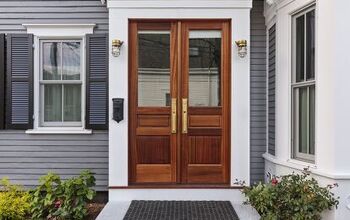
The moment someone walks in, they start developing an opinion of your home, so the entryway has a lot of influence. A good entry feels open, has a clear path forward, and offers a space for shoes, coats, and bags. Buyers don’t usually care for main entries that open straight into a living room or kitchen. Also, if your entry has no place to set things down, it feels awkward and almost pointless.
Buyers want to feel welcomed, not confused. They like knowing where to go when they walk in, and a strong layout creates that feeling before buyers have a chance to notice the paint color. But don’t despair if your home doesn’t have a dedicated entry zone; you can create an entry area that provides direction, storage, and function.
Storage Space
Your home’s layout also includes storage such as closets, pantries, laundry zones, and attic or basement space. These areas should make sense and be sufficient for the home. Even large homes can feel cluttered and cramped if they don’t have enough storage space.
Room For Flexibility In The Layout
The number of rooms is also a key player in your home’s layout and resale value. Bedrooms and bathrooms might be the big areas, but buyers also look for flex spaces—spare rooms that can be anything. Examples include a small office, a guest room, a playroom, a craft room, etc. Buyers see these flex spaces as whatever fits into their lifestyle, showing them that your house has possibilities. Potential buyers can imagine your home fitting their lifestyle if they plan to work from home or grow their family.
An adaptable layout that can handle life’s changes gives buyers a sense of security and longevity about their purchase. They dream about how the house will grow with them, rather than worry about outgrowing it in a few years.
Trends Will Fade, But Layout Stays
Anyone who’s been scrolling Pinterest for a few years can tell you that trends come and go continually. What you love may or may not be a buyer’s cup of tea. Therefore, focus on your home’s layout, because that pretty much stays the same barring a major remodel. When buyers view your home and the layout works, they’re more at ease. It’s much more manageable and less stressful to think about replacing countertops and painting than to reposition walls.
Assess your existing layout and ask yourself these questions:
- Does it make sense?
- Are essential rooms easy to reach?
- Is there enough privacy and storage?
In some cases, minor layout improvements can make a big difference, like opening a wall or widening a doorway. If you tackle these projects instead of leaving them to buyers, you’ll set yourself up for a more successful outcome. In a nutshell, when buyers compare houses, they gravitate toward ones that feel easier to live in right away (even if the style isn’t perfect). So if you’re planning to sell, focus on function, then let fashion follow.
Related Guides:
- How To Modernize A Split-Level Home (Here's What You Can Do)
- What To Add To Your Entryway For A Positive First Impression
- Simple Tips To Make Your Bathroom Feel Like A Spa

Stacy Randall is a wife, mother, and freelance writer from NOLA that has always had a love for DIY projects, home organization, and making spaces beautiful. Together with her husband, she has been spending the last several years lovingly renovating her grandparent's former home, making it their own and learning a lot about life along the way.
More by Stacy Randall


![The 5 Best Angle Grinders – [2022 Reviews & Buyer's Guide]](https://cdn-fastly.upgradedhome.com/media/2023/07/31/9071326/the-5-best-angle-grinders-2022-reviews-buyer-s-guide.jpg?size=350x220)