

Structolite Vs. Mortar: What Are The Major Differences?
Many applications call for mortar as part of a construction project. In many cases, projects calling for mortar identify Structolite as an option. Identifying which product, mortar or Structolite is a better option can be challenging. Understanding the differences and similarities between mortar and Structolite is important in deciding which product is more appropriate for any job.
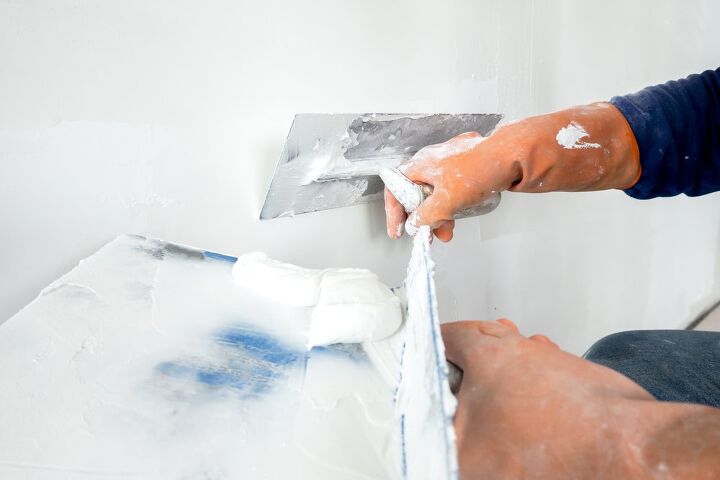
Structolite is the brand name of basecoat plaster manufactured by USG. The intended uses of Structolite include walls and ceilings where you need a lightweight plastic basecoat for finish work. Mortar is a generic term for a mixture of sand and cement that produces a cured material close to the density and hardness of concrete without the aggregates.
The uses of Structolite and mortar often overlap. In some instances, either product will produce satisfactory results. However, there are instances where one product stands above the other. Understanding the differences between the two products is crucial in deciding which product best suits your project.
Do You Need to Hire Shower Installers?
Get free, zero-commitment quotes from pro contractors near you.

USG Structolite – Features and Specifications
Structolite is a product from USG intended primarily as a basecoat for walls and ceilings. This USG product is lightweight and plastic to give superior adhesion during application. Structolite functions best when applied as a basecoat with a finish coat. The features that make Structolite popular include:
- Uses conventional plaster application methods
- Lightweight and high thermal conductivity
- Mill-mixed perlite-aggregate plaster composition
- Nothing other than water is required at the job site for mixing
- No aggregate required
- It weighs less than half as much as regular sanded plaster
USG recommends that Structolite not be used in wet or damp locations. Structolite is not water-resistant and may break down when subjected to moisture over a period. USG does not recommend using Structolite to bed or set showers or bathtubs.
The Structolite Conundrum
Despite the recommendations by USG that Structolite not be used in wet locations, many plumbers and contractors routinely use Structolite as a base material for setting and leveling bathtubs and shower installations. Even some manufacturers of bathroom fixtures specify Structolite in their installation instructions. These conflicts seem to be a puzzle of sorts. Should you or should you not use Structolite as a base material for a bathroom installation?
The Pros of Structolite in Bathroom Installations
Structolite does have several things in its favor as a material for setting and leveling bathtubs and shower pans. Among these features are:
- Structolite makes a lightweight material when mixed with water that will no add significant weight to the structure.
- When mixed properly, Structolite creates a very plastic mixture that is easy to work with and conforms well when placed beneath a bathtub or shower pan.
- Low shrinkage and resistance to cracking provide a tighter fit under the bathroom fixture
- Structolite is easy to use and mix, requiring only water at the job site.
The ease of use and the low shrinkage rate make Structolite attractive as a filler material under acrylic or fiberglass bathtubs and shower pans. The light weight of this material doesn’t require additional structural members or special framing.
Structolite Cons in Bathroom Installations
The major drawback to using Structolite as a base filler for installing acrylic or fiberglass bathtubs and shower pans is the USG recommendations on wet locations. The catch-22 in this argument is the definition of a wet location.
If the shower pan or bathtub installation has no leaks, the area under the installation should not be wet, making the use of Structolite in keeping with the manufacturer’s recommendations. However, in the event of a leak, the Structolite may deteriorate and put the installation are risk of more problems.
About Those Recommendations
Some manufacturers of bathroom fixtures and structures recommend using Structolite in their installation instructions. We must assume that the manufacturers are aware of USG’s recommendations about using Structolite in damp locations and considering their installation instructions.
USG doesn’t specifically say that Structolite should not be used under bathtubs or shower pans. Structolite is meant for wall and ceiling finish applications. We guess that USG never considered that Structolite would use bedding material in bathroom fixture installations.
Mortar – An Ancient Material in Modern Times
Mortar comes in a wide variety of types based on the ingredients that create the material. Mortar can be mud-based, asphalt-based, or cement-based. In the applications addressed in this article, we will focus on cement-based mortars.
Typically, cement-based mortars are a mixture of Portland cement, fine aggregates, and water. When cement mortars cure, they become virtually waterproof as well as binding to other materials they contact. This propensity to bind to other materials makes cement mortars especially valuable in building with bricks or concrete blocks.
Polymer Mortars
Some specialty mortars replace the Portland cement components with polymer-based products as the binding agent. The polymer agents are much more resistant to water than standard Portland cement and are useful in applications where exposure to water exists.
Bedding with Mortar Under Bathroom Fixtures
Some bathroom fixture manufacturers recommend bedding bathtubs and shower pans in mortar to strengthen and stiffen the installation. Many plumbers routinely use either Portland cement mortar or polymer mortar as a bedding material for these installations. There are several features of mortar that make this a sensible solution.
- The cost of mortar as bedding material is often the cheapest option.
- Mortar has a long history of use in bathroom fixture installation and is a known material that is well understood by most plumbers and installers
- Mortar is waterproof, especially if polymer mortar is used
- Mortar is the usual material recommended by bathroom fixture manufacturers for bedding their products.
There are some caveats to using mortar when installing bathtubs or shower pans. When used under these circumstances, certain steps are necessary during the installation process.
- If installing a bathtub or shower pan on a wooden subfloor, we recommend a layer of plastic sheeting between the mortar and the sub-flooring.
- Many manufacturers recommend an additional layer of plastic sheeting between the top of the mortar bed and the underside of the bathtub or shower pan.
- Most bathroom fixture manufacturers have specific recommendations about how to install their fixtures into a mortar bed. You should follow these recommendations exactly to ensure the best results.
Mortar is an excellent choice for bedding new bathroom fixtures. When done according to the recommendations and instructions that come with your new fixtures, your installation will provide years of trouble-free use.
Why Put Mortar or Structolite Under My Shower Pan or Bathtub?
The quick answer to this question is because the manufacturer specifies that you do so. To maintain the warranty on your new bathroom fixture, you must follow the manufacturer’s installation requirements. For this reason, if the instructions specify that the tub or shower pan be installed into a mortar bed, you must follow those instructions.
When the manufacturer gives you an option to bed or not to bed the fixture, we recommend that you opt for bedding. There are several reasons for this recommendation.
- Bedding provides a stable base for the bathtub or shower pan.
- The additional support of the bedding material makes the bathtub or shower pan feel more substantial.
- You increase the fixture’s lifespan by preventing any movement, twisting, or bending of the bathtub or shower pan.
Even if there is no recommendation by the manufacturer to bed a shower pan or bathtub, we recommend that you take this additional step. The bedding under the fixture will increase the stability and may lengthen the life of the fixture substantially.
Can I Use Expanding Foam Instead of Mortar or Structolite?
In our opinion, using expanding foam to bed a bathtub or shower pan is not recommended. There are several reasons expanding foam is not a good substitute for mortar or Structolite.
- Expanding foam does what its name implies. It expands. This expansion can put pressure on the bathtub or shower pan and raise it off the supporting sub-structure, warp, or distort that fixture.
- The expansion rate on most canned expansion foams is inconsistent, and you cannot reasonably expect the foam to fill all the voids and openings.
- High expansion foam products are also adhesive. The foam will stick tenaciously to both the sub-structure and the bottom of your shower pan or bathtub. This adhesive quality makes removing the fixture intact almost impossible if repairs to the plumbing or sub-structure are required.
- Spray high expansion foam is not structural and may not provide adequate shower pan or bathtub support. The weight of an adult may crush the foam beneath the fixture and allow the shower pan or bathtub to flex and crack.
Do You Need to Hire Shower Installers?
Get free, zero-commitment quotes from pro contractors near you.
Our Recommendations
Our number one recommendation is always to follow the directions provided by the manufacturer to the letter. Doing so will ensure that the warranty on your new bathroom fixture stays in place.
Second, no matter the recommendations from the manufacturer, we believe that every bathroom fixture installation except for solid cast iron tubs, be bedded. Even the highest quality shower pan or bathtub will benefit from sitting on a proper bed of mortar or Structolite.
In closing, when given a choice, we suggest that a high-quality polymer mortar be used to bed your bathroom fixtures. The water resistance, low shrinkage, and ease of using a good polymer mortar will increase your fixtures’ life and make them feel more substantial.

Dennis is a retired firefighter with an extensive background in construction, home improvement, and remodeling. He worked in the trades part-time while serving as an active firefighter. On his retirement, he started a remodeling and home repair business, which he ran for several years.
More by Dennis Howard







![Standard Dining Room Table Dimensions [for 4, 6, 8, 10 and 12 People]](https://cdn-fastly.upgradedhome.com/media/2023/07/31/9074335/standard-dining-room-table-dimensions-for-4-6-8-10-and-12-people.jpg?size=350x220)